





Some lunches need to survive the school bag. Others are heading to the office, daycare, weekend sport, or a day out with the family. And occasionally, one lunch kit is expected to handle all of the above.
That’s why a good lunch box setup is less about finding one container that does everything. It’s about choosing a few useful pieces that work together. The main box holds the meal, compartments organise smaller bites, insulated storage gives you more meal options, and a drink bottle keeps water close by.
Here are five reusable lunch box essentials to help you build a kit that works for your routine, without turning your kitchen cupboard into a container collection.
1. Start With a Lunch Box That Fits the Meal
The best lunch box isn’t necessarily the biggest or the one with the most compartments. It’s the one that suits the person eating from it.
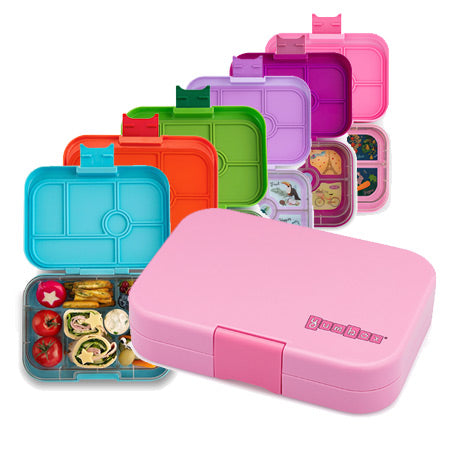
Start with what usually gets packed. Sandwiches and snacks? Leftovers? Fruit, vegetables, and little bites? If you tend to pack several foods, a bento-style lunch box can make it easier to give everything its own space. If lunch is usually one main meal, a simpler layout may be all you need.
The OmieBox 2.0 Smarter Bento Box, for example, combines separate sections with an insulated food jar, giving you room for different types of food in one setup.

Hello Green tip:Wondering if your lunch box will actually fit inside your lunch bag? We’ve done some of the trial and error for you. Our Lunch Box and Bag Size Guide includes videos where we’ve tried, tested, and filmed different combinations that fit—saving you the measuring, guessing, and awkward “almost fits” moment.
2. Make Compartments Work for the Food
Compartments aren’t just there to make lunch look organised. They can make packing simpler too.
Use larger spaces for the main part of the meal and smaller sections for fruit, vegetables, crackers, cheese, or other snacks. Separating foods can also help keep different textures apart, because nobody packs a crisp cracker hoping it will become mysteriously soft by lunchtime.
MontiiCo Bento Cups can create smaller sections within compatible lunch boxes, which is handy when the food you pack changes from day to day. More fruit today? Fewer crackers tomorrow? Easy. You don’t need to fill every available space just because it’s there.
For families with younger children, the Australian Government’s Get Up & Grow lunch box resource includes simple snack ideas such as fresh fruit, crackers with cheese, vegetable sticks with dip, and yoghurt. It’s a useful reminder that lunch doesn’t need to be complicated to offer variety.

3. Add a Snack Container for the In-Between Bits
Morning tea doesn’t always need the full lunch box treatment. Daycare snacks, after-school hunger, weekend sport and family outings often call for something smaller.
A dedicated snack container, such as the b.box Bento Snack Box is handy for small bites and emergency snacks that somehow become very important five minutes after leaving the house. It can also sit alongside the main meal when you need a little extra room.

4. Choose Insulated Storage When the Meal Calls for It
Sometimes a sandwich hits the spot. Sometimes last night’s pasta is sitting in the fridge looking far more interesting.
An insulated food container can give you more options for meals on the go. The Bentgo Stainless Steel Insulated Food Container is one example, while insulated flasks and food jars can suit different meals and portion sizes.

When using insulated containers, always follow the manufacturer’s directions for preparation, use, and cleaning. If you’re packing food that needs to stay chilled, consider suitable cold packs and insulated storage as part of your setup.
Packed lunch doesn’t have to mean meeting the same sandwich every Monday to Friday.
5. Finish the Kit With a Drink Bottle
A lunch kit without a drink bottle feels a little like leaving the house with one shoe. You can do it, but it’s probably not the plan.
Start with capacity. A smaller bottle may be easier for a young child to carry, while an older child or adult might want something larger for school, work, or a full day out.
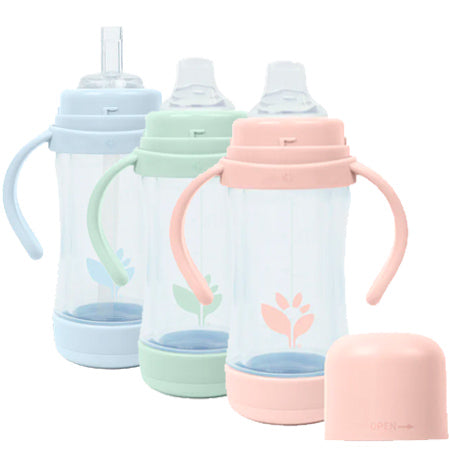
Then think about how it will actually be used. Straw, spout, or screw-top? Does it fit into the school bag pocket, lunch bag, or car cup holder? Would an insulated flask be useful on warmer Australian days?
Ease of cleaning matters too. A bottle that requires a small engineering degree to dismantle every night may not remain a household favourite for long.
The best option is usually the one that gets filled, carried, used, and brought home without becoming a permanent resident of the lost property box.

How to Build a Better Reusable Lunch Kit
Now that each piece has a job, you don’t need to rush out and replace everything in the cupboard.
Start with what already works. If your lunch box still does its job, keep it. If your drink bottle is going strong, great. Then notice where packing tends to get fiddly.
Do snacks end up loose in the bag? A smaller container might help. Want to take leftovers more often? Insulated storage could be useful. Always trying to stop different foods from mixing? Compartments may make mornings easier.
If your reusable collection has grown beyond the things you actually reach for, our guide to sustainable home decluttering has practical ideas for simplifying what you own and keeping the things you use.
Once you know what the meal needs, choosing the right pieces becomes much easier. It turns lunch packing into a simple routine rather than a daily game of container Tetris.
Your 5 Reusable Lunch Box Essentials, Sorted
A better lunch box doesn’t need more things. It needs the right things.
Start with a main lunch box that suits the eater and the meal. Use compartments when they make packing easier, add a snack container when you need extra room, choose insulated storage for the meals you actually enjoy, and finish with a drink bottle that’s practical to carry.
Your reusable lunch kit should fit your life, not the other way around. Use what you already have, fill the genuine gaps and choose pieces that can earn their place through regular use.
Remember, the best lunch box setup isn’t the one with the most accessories or perfectly coordinated colours. It’s the one that makes getting out the door a little easier, and comes home ready to do it all again tomorrow.
Preferably without one lonely carrot stick still hiding in the corner, of course.
For more options on reusable lunch boxes, snack containers, insulated food storage, and drink bottles, explore the Hello Green lunch gear range.


