





There’s something about the kitchen that makes good intentions feel slightly ambitious.
You buy the reusable bags. You tell yourself you’ll stop using cling wrap. You even line up a few glass containers, ready to become the person who is organised and prepared at all times.
And then… real life happens.
Leftovers get wrapped in whatever is closest. The lunch rush wins. The drawer fills up with a mix of things that sort of work, but not quite.
Transitioning to a greener kitchen often feels like a choice between being a literal saint or just giving up and hugging your cling wrap. But at Hello Green, we believe the best swaps aren’t the ones that look "Pinterest-perfect" for five minutes—they’re the ones that actually make your life easier, your food fresher, and your body healthier.
In Australia, we are currently grappling with a significant plastic problem. According to WWF-Australia, the average Australian uses about 147kg of plastic per person per year, and sadly, only a small percentage of that is recycled. But beyond the environmental "ick," there is the health side. As we learn more about endocrine disruptors and microplastics leaching into our leftovers, the shift toward a low-tox kitchen isn't just about saving the turtles; it’s about looking after your "inner ecosystem" too.
Ready to make some changes that actually stick? Here are five eco-swaps that are as practical as they are planet-friendly.
1. Trading Plastic for Earthware Glass
If your pantry currently looks like a graveyard of half-opened plastic packets held together by rusty clips, don’t worry—you’re in good company. However, moving your staples into sustainable kitchen storage like the Earthware Glass Pantry Storage Jars is the ultimate "adulting" move.

Why glass? Unlike plastic, glass is non-porous. This means it won’t absorb the smell of that one time you stored a very aggressive curry, and it certainly won't leach chemicals into your flour or grains. From a health perspective, this is a major win for low-tox living in Australia. Plastic containers, especially older ones, can contain BPA or phthalates which have been linked to hormonal imbalances.
From an environmental standpoint, glass is the "forever" material. It can be recycled infinitely without losing quality. When you shop the Earthware collection at Hello Green, you aren't just buying a jar; you’re investing in a system that keeps pests out and freshness in. Plus, there is a psychological win here: seeing your lentils and pasta neatly lined up in glass makes you much more likely to actually cook them rather than ordering another cheeky takeaway.

2. Ditching the "Drip": High-Quality Hydration
We Australians love our coffee and our cold water, especially when the temperature hits 30°C before 9:00 AM. But the "convenience" of bottled water is a bit of a myth when you consider the cost—both to your wallet and the environment.
A single-use plastic water bottle can take up to 500 years to break down. Even then, it doesn't really "disappear"—it just turns into microplastics. Switching to an Oasis, Earthware, or b.box insulated bottle is one of those eco-friendly kitchen swaps that pays for itself in about a month.

These bottles aren't just about being "green"; they are about performance. They keep your water icy cold for long hours (a literal lifesaver during an Aussie summer) and ensure you aren’t sipping on "plastic soup" that has been heating up in your car. When you choose high-quality bottles, you’re opting for materials that don't leave an unpleasant aftertaste or harbour bacteria.
3. The End of the Cling Wrap Era
Cling wrap is the ultimate kitchen "frenemy." It’s frustrating to use, it tangles on itself, and it is effectively designed to be used for exactly four hours before sitting in a landfill for centuries. Most of us reach for it because we’ve lost the lid to a plastic container, or the "matching" lid we do have has warped in the dishwasher and no longer fits.
The alternative? Moving to a system that actually stays airtight. Earthware glass containers feature RapidSeal™ lids, which are a total game-changer for leftovers. Unlike flimsy plastic lids that require a wrestling match to close, these are designed to be incredibly easy to open while maintaining a high-performance, airtight seal. This keeps your half-eaten avocado or Saturday night leftovers fresh without the chemical off-gassing associated with soft plastics.

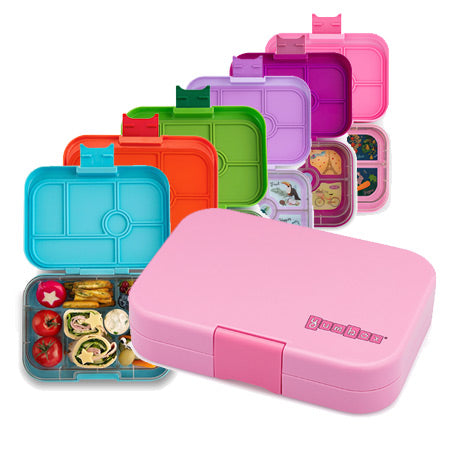
For the kids' school lunches, swapping to a Bentgo or b.box bento-style box eliminates the need for those tiny "zip-lock" bags that seem to multiply in the pantry. According to Clean Up Australia, soft plastics are one of the most common items found during community clean-ups. By moving to a "nude food" lunchbox system, you’re saving money on disposables and keeping the local park a little bit cleaner.
4. Better Baking with Silicone
If you are a fan of a Sunday roast or a batch of lunchbox muffins, you are likely used to a steady cycle of baking paper, aluminium foil, and greasing metal tins. While these feel like harmless kitchen staples, they contribute significantly to household waste and often hide "forever chemicals" like PFAS found in traditional non-stick coatings.

A smarter, more sustainable choice is moving toward the Earthware professional-grade silicone baking range. Instead of relying on bleached paper and single-use liners, you can transition to reusable silicone muffin moulds and baking mats. These are crafted from premium, food-grade silicone that is naturally non-stick, meaning your treats pop out perfectly without the need for excess oils or chemical sprays. To complete the set, a heat-resistant silicone oven mitt set offers a waterproof, superior grip that lasts much longer than traditional fabric versions.

5. Cleaning Up the Clean-Up
The final "green" hurdle is the kitchen sink. Most traditional dish sponges are actually made of plastic (polyurethane) and shed micro-fibres every time you do the dishes.
Swapping to natural fibre brushes—like those from Earthware—is a small change that makes a huge visual difference. They look beautiful on the counter, and when they’ve finally reached the end of their life, they are biodegradable.
Pair these with a low-waste, sustainable cleaning product like Keeper Clean, and you’ve officially closed the loop on your kitchen’s environmental impact. You aren't just washing your dishes; you’re ensuring that what goes down the drain isn't harming our waterways.

Progress Over Perfection
The secret to a sustainable kitchen storage system that actually works is to not do it all at once. If you try to replace every single plastic item in your house on a Tuesday morning, you’ll be exhausted by Tuesday afternoon.
Start with the pantry. Move into the fridge. Grab a better bottle for your commute. Every time you choose a durable, high-quality item from our range of brands at Hello Green, you’re casting a vote for a cleaner planet and a healthier family.
We’re here to make sure those votes count. We’ve done the research and vetted the brands, so you can focus on the fun part: enjoying a beautiful, functional, and low-tox home that’s built to last.


