





January has a reputation and we’ve all been there—you’re feeling inspired, and you promised yourself that by February, you’ll be a compost-churning, sourdough-baking, plastic-free goddess. Fast forward to mid-January, and you’re staring at a wilted bag of spinach in a plastic crisper drawer, wondering where it all went wrong.
The problem with resolutions is that they’re often too big, too fast, and frankly, too exhausting. At Hello Green, we’re fans of the “gentle pivot”. You don’t need to move to the bush and live off the grid to make a difference. In 2026, instead of chasing perfection, it’s all about sustainable habits that actually fit into real life—lunches packed in a hurry, busy workdays, school routines, leftovers, and all.
So if you’re trying to reduce your chemical load or just want a pantry that doesn’t look like a plastic avalanche waiting to happen, we’ve got you. Here are five sustainable habits that are easy to start, hard to break, and involve some seriously clever low-tox food storage swaps.
Habit 1: Ditch the “Deli-Container” Roulette
We’re all guilty of having that one cupboard. You know the one—you open it, and a shower of mismatched lids and stained takeaway tubs falls on your head. Habit number one for 2026? Stop playing “Deli-Container Roulette.”
While reusing plastic is better than throwing it away immediately, not all plastics are the same. Many of those lightweight containers aren’t designed for long-term use, especially when heat is involved. This is why more families are making the switch to high-quality BPA-free and phthalate-free containers Australia wide; we are becoming more aware of how chemicals leach into our food over time.
Why Quality Matters

A study by the Endocrine Society suggests that chemicals like BPA and phthalates can interfere with the body’s hormonal systems. By swapping out old, scratched plastic for high-quality, low-tox food storage, you’re both helping the planet and protecting your family’s health.
The Hello Green Swap: Start replacing those weary plastic tubs with glass or stainless steel. Not only do they last longer, but they also don’t retain the smell of last week’s spaghetti bolognese.

Habit 2: Master the “Heat Without the Worry” Lunch
If you work in an office or pack a lunch for the kids, the midday microwave queue is a familiar sight. But here is where a lot of us stumble: heating food in plastic. Even if a container says “microwave-safe,” that often just means the plastic won’t melt. It doesn’t necessarily mean it won’t shed microplastics or chemicals when heated.
Habit number two is embracing microwave-safe lunch containers made from inert materials like glass or high-quality food-grade silicone.
The Science of the Heat
When plastic is heated, the molecular bonds can weaken, increasing the rate of chemical migration into your food. According to researchers, some plastics can release billions of microplastic particles during just a few minutes of microwave heating.
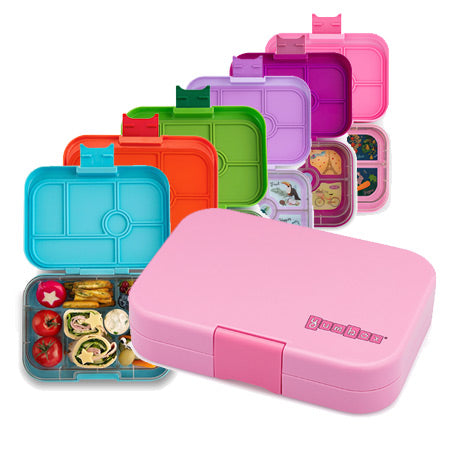
The Hello Green Swap:Look for microwave-safe lunch containers like the glass bento boxes. They transition perfectly from the fridge to the microwave and then straight to the dishwasher. Another tip is to try Bentgo’s Stainless Steel Lunch Box. Its base is microwaveable which allows you to heat your meals easily.

Habit 3: Become a Bulk-Buying Boss (Minus the Mess)
Bulk buying is a sustainability superstar. It reduces packaging, saves money, and ensures you never run out of oats at 7:00 AM on a Monday. However, bulk buying without a plan leads to a messy pantry and “mystery bags” of flour that eventually go out of date.
Treat your pantry like a boutique. By decanting your bulk buys into clear, airtight jars, you can see exactly what you have. This reduces food waste, an issue that costs the average Australian household between $2,000 to $2,500 per year.
The Hello Green Swap:Use low-tox food storage jars and containers to create a pantry that sparks joy. Glass is non-porous and keeps your staples fresher for much longer than an open bag with a rubber band around it.

Habit 4: The Pack-and-Go Hydration Habit
This is the easiest habit to start, yet one of the most impactful. Did you know that it can take up to 500 years for a single plastic water bottle to break down? In Australia, we use and dispose of approximately 373 million of them every year.

Make 2026 the year you never buy bottled water again. The secret to making this habit stick is having a bottle you actually like carrying. It needs to be the right size, keep your water icy cold during a 35°C Aussie summer, and fit in your car’s cup holder.
The Hello Green Swap:Check out our range of insulated water bottles. Whether it’s an Avengers-themed bbox bottle for the kids or a sleek Oasis sports bottle for you, having the right gear makes the habit effortless.

Habit 5: Conscious Leftover Love
Food waste is a huge environmental hurdle. Habit five is all about changing your relationship with leftovers. Instead of seeing them as "boring tomorrow-food," see them as a "free lunch."
The trick to loving leftovers is how you store them. When food is shoved into an opaque bowl at the back of the fridge, it's forgotten. When it's stored in clear, stackable BPA-free containers Australia loves, it stays appetising.

Organisation as a Tool
Using bento-style containers for leftovers is a total game-changer. You can keep your protein, grains, and veggies separate so they don't turn into a soggy mess by lunch the next day. This keeps your food's texture intact and makes you much more likely to actually eat it!
Why These Sustainable Habits Actually Last
What makes these habits different from typical New Year resolutions?
They’re practical, repeatable, designed around real routines, and built into things you already do.
Instead of trying to “be more sustainable”, you’re simply choosing better versions of everyday items—low-tox food storage, BPA-free containers, and microwave-safe lunch containers that quietly support your goals.
Start Small, Stay Consistent
You don’t have to change everything today. Maybe this week you just replace that one melted plastic container you’ve been meaning to toss with a new glass dish. Every small swap is a win.
Ready to start your journey with the best BPA-free containers Australia has on offer? Explore our full collection and make 2026 your greenest year yet.


