





The "Back to School" rush is arguably one of the most stressful times for an Aussie parent. One minute it’s relaxed mornings and summer snacks, the next it’s uniforms, labels, lunch planning, and that familiar question: what on earth am I packing every day this year?
For many parents, the lunch box becomes a daily ritual and a daily worry. Is this container safe? Will it leak? Will it survive the school bag? And is it actually something your child will open, eat from, and bring home again?
If you’re trying to make better choices for your kids without turning back-to-school prep into a full-time job, eco-friendly back-to-school essentials are a great place to start. Especially when they’re designed to be practical, safe, and made for real school days.
This guide walks you through the back-to-school essentials that matter most, what to look for when it comes to safety, and how to choose lunch gear that works for your family calmly, confidently, and without overthinking it.
Why Eco-Friendly Back-to-School Essentials Matter
School lunches are one of the most consistent parts of a child’s routine. That means the containers you choose are used almost every single day—often for years.
According to data, plastic packaging makes up a significant portion of Australian household waste, much of it coming from food storage and single-use items.

Choosing eco-friendly back-to-school essentials isn’t about being perfect. It’s about:
-
Reducing unnecessary plastic exposure
-
Minimising waste over the school year
-
Using safer materials for food contact
-
Investing in items that last longer than one term
And the good news? You don’t need to replace everything at once.
What to Look For in Safe Back-to-School Lunch Gear
Before we talk products, it helps to know what actually matters when choosing lunch gear for kids.
BPA-Free Materials
BPA (Bisphenol A) is a chemical sometimes found in plastics and resins. Research has raised concerns about BPA leaching into food, particularly when containers are heated or worn over time.
That’s why BPA-free lunch boxes in Australia are now considered a baseline, not a bonus.In short: if it’s holding your child’s food every day, BPA-free is a must.
Microwave-Safe (When It’s Needed)
Not every lunch needs reheating, but for older kids or leftovers, microwave-safe lunch containers can be genuinely useful.

Glass containers or clearly labelled microwave-safe plastics help reduce the risk of chemicals leaching into food when heated.Health authorities advise against heating food in containers not designed for high temperatures, so this is one of those details that’s worth checking.
If reheating is part of your routine, it’s good to have containers you can trust.
Durability (Because School Bags Are Not Gentle)
Eco-friendly doesn’t mean fragile. School lunch gear needs to handle being dropped, squashed, forgotten at the bottom of a bag, and occasionally launched onto concrete.
Durable materials like stainless steel, silicone, and thick BPA-free plastics tend to last far longer—and that’s a sustainability win in itself.
The Back-to-School Essentials That Make the Biggest Difference
Rather than overwhelming yourself with options, focus on a few core items that cover most school days.
Lunch Boxes & Bento Containers
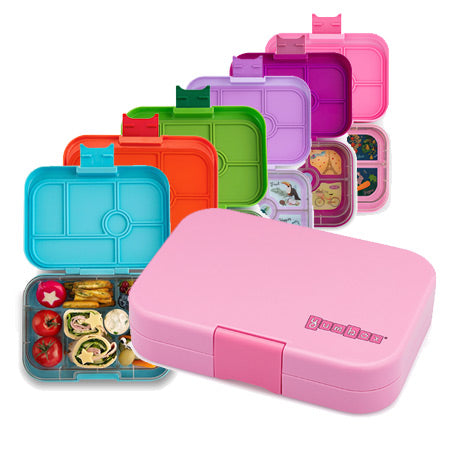
A good lunch box sets the tone for the whole day. Bento-style lunch boxes are popular for a reason: they keep food separated, reduce the need for extra packaging, and make lunches easier to organise.
On Hello Green, you’ll find BPA-free lunch and bento boxes from trusted brands like b.box,Bentgo, Go Green, and many more.

These are designed with kids in mind—easy-open lids, sturdy builds, and compartments that make lunches feel manageable rather than messy.
Snack Containers for Recess & Crunch Time
Small snack containers help replace cling wrap and single-use bags, and they’re perfect for fruit, crackers, yoghurt alternatives, or leftover treats.

They’re also easier for kids to handle on their own, which builds independence and—bonus—reduces spills. Once you’ve got a few good ones in rotation, they quickly become non-negotiable.
Drink Bottles That Actually Come Home
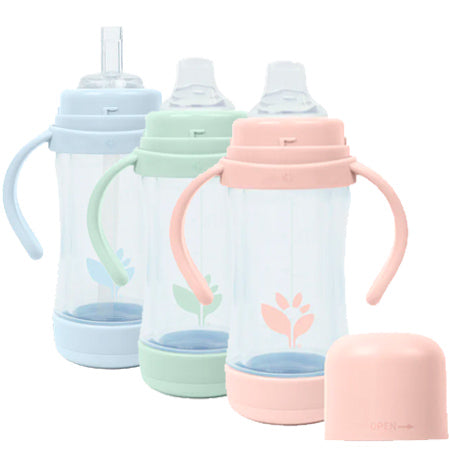
Hydration is important, but the best drink bottle is the one your child actually uses — and remembers to bring back.

Insulated and stainless-steel drink bottles from brands like Oasis and Earthware help keep water cool during hot school days, while being durable enough to survive playground life.
Choosing BPA-free drink bottles also reduces exposure to unwanted chemicals, especially in warmer weather.
Food Flasks for Warm Lunches
For cooler months, or kids who prefer warm meals, insulated food flasks are a great addition. They’re ideal for pasta, rice dishes, leftovers, or simple comfort foods.

Stainless-steel food flasks keep food warm without relying on plastic and add some welcome variety to the lunch routine—especially if sandwiches aren’t always a hit.
How Eco-Friendly Lunch Gear Supports Healthier Habits
One of the nicest surprises about good lunch gear is how it quietly encourages better habits. When food stays fresh, neatly packed, and easy to eat, kids are more likely to enjoy their lunch and less likely to bring it home untouched. Bento-style lunch boxes and well-sealed containers make meals feel inviting rather than rushed, while insulated bottles and food flasks support better hydration throughout the day.
For parents, this often means less food waste, fewer last-minute lunchbox fixes, and mornings that feel a little calmer. When containers are easy to clean, stack neatly, and hold up to daily use, packing lunches becomes routine instead of another decision to wrestle with. Over time, these small wins add up—and that’s how habits stick.
Starting Back-to-School the Hello Green Way
Back-to-school prep doesn’t need to be overwhelming or perfect to work. Starting with a few thoughtfully chosen, eco-friendly essentials can make a real difference to both daily routines and long-term habits.

BPA-free lunch boxes, microwave-safe containers where appropriate, reusable drink bottles, and durable snack containers all support safer food storage while helping reduce reliance on single-use packaging. When lunch gear works well, feels safe, and lasts the distance, it removes friction from busy mornings and gives parents confidence that they’re setting their kids up with practical, healthier options.
It’s not about doing everything at once. It’s about starting with what matters most—and letting the rest fall into place.


