





You know the drawer. The one filled with spare bottle lids, takeaway cutlery, mystery cables, half-used notepads, and a collection of items that somehow survived every previous decluttering session.
Most homes have one.
The thing is, clutter rarely arrives all at once. It sneaks in slowly through impulse purchases, "just in case" items, freebies, duplicates, and everyday habits that seem harmless at the time.
Before you know it, the kitchen cupboards are overflowing, the drink bottle collection has taken on a life of its own, and finding a matching container lid feels like a competitive sport.
According to data from Choosi, household waste in Australia has been steadily climbing, with clutter contributing significantly to both mental stress and unnecessary repeat purchases. Clearing clutter can make everyday cleaning easier, help reduce unnecessary purchases, and create a home that feels calmer to spend time in.
What Makes Sustainable Home Decluttering Different?

Most decluttering advice starts with a bin bag and a free weekend. Sustainable decluttering is a little different. Instead of filling bags for landfill, it asks a few practical questions:
-
Do I use this?
-
Do I need more than one?
-
Is there a better reusable alternative?
-
Can this be donated, recycled, repaired, or repurposed?
The goal isn't to own the fewest things. The goal is to own the right things.
Things that get used regularly. Things that last. Things that make daily life easier rather than more complicated.
That mindset shift alone can make the process feel much more manageable.
Start With the Areas You Use Every Day
One of the biggest mistakes people make when decluttering is starting with the garage, attic, or spare room. Those spaces tend to be overwhelming. Instead, begin with the areas that impact your daily routine.
The Lunch Gear Collection
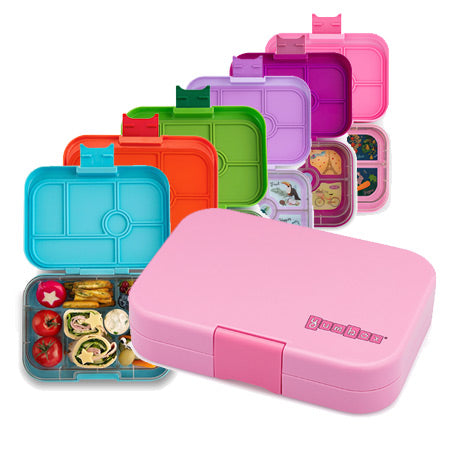
Most families have more lunch gear than they realise. What starts as one lunch box often turns into an entire cupboard shelf before anyone notices. Drink bottles multiply. Containers lose their lids. Suddenly an entire cupboard is dedicated to items nobody actually reaches for.
Start by pulling everything out. Keep the pieces that are used regularly and are still in good condition. Then look for ways to simplify.

Many families find that having a smaller collection of high-quality lunch boxes from brands such as Bentgo, b.box, Omie, or Go Green makes packing lunches significantly easier than managing dozens of mismatched pieces.
Less clutter. Less decision fatigue. More importantly, less time spent hunting for lids at 7am.
Declutter Before You Buy New Organisers

Here's a little secret. Many organisation projects fail because people buy containers before they know what they're organising. It happens all the time.
A basket for this. A tub for that. A set of drawers that eventually stores random items rather than solving a problem.
Before purchasing anything, spend time reducing what you already own. Once you've identified what genuinely needs a home, you'll have a much clearer idea of the storage solutions that will actually help. This approach is not only more sustainable but often saves money too.
Don't Forget the Cleaning Cupboard
The cleaning cupboard rarely makes it onto decluttering lists, but it should.
Many households have multiple half-used products, duplicate sprays, and items that haven't been touched in years. A simple clean-out can reveal how many products you actually use.

This is also a great opportunity to consider low-tox alternatives. Brands like Keeper Clean offer cleaning products designed to support a lower-tox home while helping simplify your cleaning routine.
The Hidden Clutter Hotspots Most People Miss
Some areas attract clutter almost automatically. If you're looking to make a noticeable difference, focus on these common trouble spots.
Drink Bottles
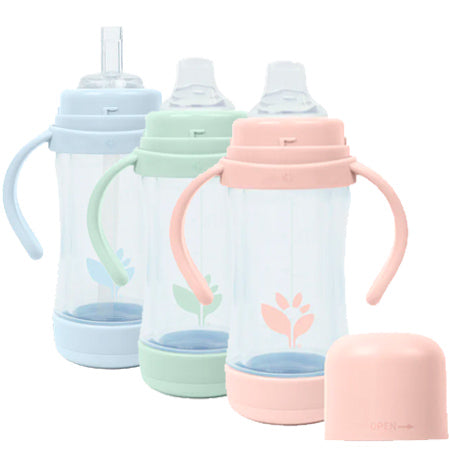
Every family seems to have a bottle collection. The challenge is that many aren't being used. What to do:
-
Keep the favourites.
-
Donate or recycle what you no longer need.
-
Create a dedicated storage space for the bottles that remain.
Reusable Containers
Containers are fantastic—until they're not. If you have lids without containers, containers without lids, or items that haven't been used in years, it may be time for a reset.
A smaller collection of containers you genuinely use is often more practical than an overflowing cupboard.
The One-In, One-Out Rule Still Works
It may not be revolutionary, but it remains effective. For every new item that enters your home, consider whether something else can leave.
This works particularly well for:
-
Drink bottles
-
Lunch boxes
-
Storage containers
-
Kitchen tools
-
Reusable food storage
The rule is easy—prevent clutter from quietly rebuilding itself. Because it will try.
Progress Beats Perfection Every Time
The internet has convinced many of us that organising a home requires matching containers, colour-coded labels, and a free weekend. Thankfully, that's not true.
The most successful decluttering projects are usually the least dramatic.
One cupboard. One drawer. One shelf. One simple improvement at a time.
Sustainable home decluttering isn't about creating a picture-perfect house. It's about creating a home that feels easier to live in—where the things you use regularly are easy to find and systems are working.
A Simpler, Greener Home Starts With Small Changes
Sustainable living should feel achievable. That means choosing low-tox home essentials that support everyday life, investing in reusable products that earn their place in your home, and creating systems that make routines easier rather than more complicated.
Whether that's a better lunch box, a reusable drink bottle, pantry storage that helps reduce food waste, or low-tox cleaning products that simplify your cupboard, small changes really do add up.

You don't need to declutter your entire home this weekend. Just start with one drawer and the rest can follow.
Explore our range of low-tox and eco-friendly products at Hello Green to kickstart your sustainable home decluttering.


